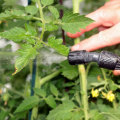
Organic pest control is often associated with protecting gardens, lawns, and ornamental plants through environmentally friendly methods, but its influence extends well beyond plant health. The condition of the soil beneath a property plays a significant role in supporting healthy vegetation, managing moisture, and contributing to the long-term stability of nearby structures. Healthy soil encourages beneficial microorganisms, improves water infiltration, and supports root systems that help reduce erosion and stabilize the landscape. Organic pest control practices work alongside these natural processes by minimizing the use of harsh chemicals that may disrupt the biological balance of the soil. As a result, homeowners not only create healthier outdoor environments but also support conditions that can positively influence drainage, vegetation, and the performance of the land surrounding their homes. Understanding this connection highlights how responsible landscape management contributes to the overall well-being of both the property and its structural components.
Soil Health Supports Structural Performance
The stability of any building depends in part on the condition of the soil beneath and around its foundation. Poor soil health can contribute to erosion, compaction, drainage issues, and inconsistent moisture levels that affect the way the ground supports structural loads. While organic pest control alone cannot prevent foundation problems, it often complements broader landscape management strategies that encourage balanced soil conditions. Healthy vegetation supported by biologically active soil helps reduce runoff, limits erosion on sloped properties, and promotes more consistent moisture distribution. These factors contribute to a more stable environment around foundations, retaining walls, walkways, and other structural elements. Companies such as Open Concept Engineering recognize that long-term structural performance is influenced not only by engineering design but also by how the surrounding landscape is managed over time. Careful planning that considers both structural and environmental factors creates properties that perform more reliably while reducing the likelihood of avoidable maintenance issues.
Preventing Hidden Problems Around the Home
Organic pest control also plays an indirect role in protecting structures by encouraging regular monitoring of outdoor conditions. Homeowners who maintain their landscapes naturally are often more attentive to signs of insect activity, excess moisture, unhealthy vegetation, or soil movement that could indicate larger concerns. Certain pests thrive in damp conditions that may also contribute to wood deterioration, while poorly managed landscapes can conceal drainage issues affecting foundations or crawl spaces. Organic maintenance practices frequently include improving soil quality, increasing biodiversity, reducing standing water, and promoting stronger plant growth, all of which contribute to healthier outdoor environments. These preventive measures can help reduce conditions that encourage destructive pests while supporting the long-term condition of nearby structural components. Routine inspections of gardens, planting beds, irrigation systems, and drainage areas allow potential problems to be identified before they develop into more extensive structural repairs.
A Holistic Approach to Property Protection
Successful property maintenance extends beyond treating isolated issues and instead considers how different systems interact across the entire site. Organic pest control, healthy soil management, effective drainage, thoughtful landscaping, and sound structural planning all contribute to the long-term resilience of a home. When these elements work together, homeowners benefit from stronger vegetation, improved water management, reduced erosion, and outdoor environments that place less stress on foundations and other structural systems. Although structural engineers focus primarily on building performance, they also appreciate the importance of surrounding site conditions that influence long-term stability. By recognizing the connection between organic pest control, soil health, and structural stability, property owners can make more informed decisions that protect both their landscapes and their homes. Combining environmentally responsible maintenance practices with careful engineering and routine inspections creates properties that remain attractive, functional, and structurally dependable while supporting healthier ecosystems and reducing the likelihood of costly repairs in the future.