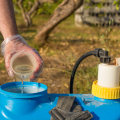
Organic pest control has become an increasingly popular approach for homeowners seeking safer, environmentally friendly ways to manage unwanted pests. Unlike traditional chemical treatments, organic methods rely on natural solutions such as botanical sprays, beneficial insects, and habitat modification to reduce pest populations. This approach not only minimizes exposure to harmful substances but also supports a healthier indoor and outdoor environment. By focusing on prevention and balance within the ecosystem, organic pest control helps maintain long-term results without disrupting the natural harmony of the home.
The Importance of Preventative and Coordinated Care
One of the key advantages of organic pest control is its emphasis on prevention through coordinated home care. Rather than addressing infestations after they occur, this method encourages homeowners to identify and eliminate the conditions that attract pests in the first place. Proper sanitation, sealing entry points, and maintaining dry, well-ventilated spaces all contribute to reducing pest activity. Coordination between different aspects of home maintenance—such as landscaping, plumbing, and structural upkeep—ensures that pests have fewer opportunities to thrive. For example, addressing moisture issues through practical measures or following plumbing tips in Austin can help eliminate water sources that attract insects and rodents, making the home less inviting to infestations.
Integrating Natural Solutions with Home Systems
Organic pest control works best when integrated with other home systems and maintenance routines. For instance, proper drainage and irrigation management prevent standing water, which is a common breeding ground for pests. Similarly, maintaining clean and well-organized storage areas reduces hiding places and food sources. Natural deterrents such as essential oils, diatomaceous earth, and plant-based repellents can be strategically used in areas prone to pest activity. By combining these methods with regular inspections, homeowners can create a comprehensive strategy that supports both pest control and overall home health.
Enhancing Indoor Air Quality and Safety
Another significant benefit of organic pest control is its positive impact on indoor air quality and household safety. Traditional pesticides can leave behind residues that may affect air quality and pose risks to children, pets, and sensitive individuals. Organic methods, on the other hand, use non-toxic or low-toxicity substances that are safer for everyday living. This makes them particularly suitable for households that prioritize wellness and sustainability. By reducing reliance on harsh chemicals, homeowners can maintain a cleaner and safer environment while still effectively managing pest issues.
Long-Term Value of a Holistic Maintenance Approach
The true value of organic pest control lies in its alignment with a holistic approach to home care. When pest management is integrated with regular maintenance practices, the results are more sustainable and cost-effective over time. Homeowners who adopt this approach often experience fewer infestations, reduced need for emergency treatments, and improved overall property condition. Coordinated care ensures that all aspects of the home work together to create an environment that is both functional and resilient. Ultimately, organic pest control is not just about eliminating pests—it is about fostering a balanced and well-maintained home that supports long-term comfort, safety, and environmental responsibility.