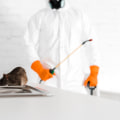
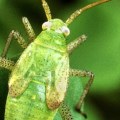
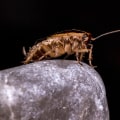
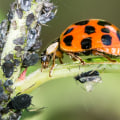
Organic pest control focuses on managing household pests through natural, environmentally responsible methods rather than relying solely on synthetic chemicals. The goal is not always to eliminate every insect but to restore balance by discouraging infestations and targeting pests in ways that minimize harm to people, pets, and beneficial organisms. Common household pests such as ants, cockroaches, spiders, and flies are often attracted by accessible food, moisture, and shelter. Organic strategies begin with identifying these attractants and reducing them through cleanliness, proper storage, and home maintenance. By addressing root causes, organic pest control creates conditions that are less favorable for pests to thrive.
Prevention Through Habitat Modification
One of the most effective aspects of organic pest control is prevention through habitat modification. Sealing cracks, fixing leaks, and improving ventilation reduce moisture buildup that attracts pests. Regular cleaning eliminates food residues that ants and roaches depend on for survival. Outdoors, trimming vegetation away from the home and removing organic debris limits entry points and nesting areas. These preventive steps work continuously, unlike chemical treatments that wear off over time. When the living environment no longer supports pest activity, infestations become easier to manage and less likely to return.
Natural Solutions for Common Household Pests
Organic pest control relies on a range of natural solutions that can be tailored to specific pests. Diatomaceous earth, for example, is effective against crawling insects by damaging their exoskeletons without introducing toxins into the home. Essential oils such as peppermint, eucalyptus, and tea tree oil are commonly used as repellents, disrupting pests’ sensory cues. Beneficial organisms, like certain nematodes, can be introduced in outdoor soil to control pest populations at the source. These methods are particularly appealing for households seeking safer alternatives while still achieving reliable results.
Addressing Structural and Wood-Damaging Pests
While organic methods are often associated with minor pest issues, they can also play a role in managing more serious concerns. Wood-damaging insects, including termites, can be deterred through moisture control, proper drainage, and the use of naturally resistant materials. Borate-based treatments, derived from naturally occurring minerals, are sometimes used as part of organic-friendly approaches to protect wood structures. In this context, termite control becomes part of a broader strategy that emphasizes prevention, monitoring, and targeted intervention rather than heavy chemical saturation.
Long-Term Benefits for Homes and Health
The long-term benefits of organic pest control extend beyond immediate pest reduction. Homes treated with organic methods tend to have improved indoor air quality and fewer chemical residues on surfaces. This is especially important for families with children, pets, or individuals sensitive to harsh pesticides. Over time, organic pest control encourages consistent habits—such as regular inspections and maintenance—that reduce the likelihood of recurring infestations. By focusing on prevention, natural treatments, and environmental balance, organic pest control offers a sustainable way to manage common household pests while supporting a healthier living environment for everyone in the home.